
Jennifer Malkin
LPC· Accepting clientsSouth Carolina · 20 yrs exp
Stress, Anxiety · LGBT · Relationship · Trauma and abuse · +14 more
Read profileThe therapist listings are provided by BetterHelp and we will earn a commission if you use our link - at no cost to you.
Welcome to TherapistDirectory's listings for online therapists serving South Carolina. All therapists included on this page are licensed to practice in the state - take a look through profiles to find someone who fits your needs.
South Carolina · 20 yrs exp
Stress, Anxiety · LGBT · Relationship · Trauma and abuse · +14 more
Read profile
South Carolina · 15 yrs exp
Stress, Anxiety · Addictions · Relationship · Family · +14 more
Read profile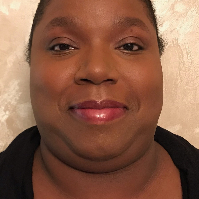
South Carolina · 4 yrs exp
Stress, Anxiety · Trauma and abuse · Anger · Depression · +13 more
Read profile
South Carolina · 7 yrs exp
Stress, Anxiety · Relationship · Grief · Depression · +12 more
Read profile
South Carolina · 10 yrs exp
Stress, Anxiety · Relationship · Family · Grief · +10 more
Read profile
South Carolina · 30 yrs exp
Stress, Anxiety · Relationship · Grief · Depression · +9 more
Read profile
South Carolina · 5 yrs exp
Relationship · Family · Trauma and abuse · Intimacy-related issues · +15 more
Read profile
South Carolina · 10 yrs exp
Self esteem · Coping with life changes · Stress, Anxiety · Anger · +1 more
Read profile
South Carolina · 8 yrs exp
Stress, Anxiety · Trauma and abuse · Self esteem · Depression · +16 more
Read profile
South Carolina · 8 yrs exp
Stress, Anxiety · Trauma and abuse · Anger · Bipolar · +13 more
Read profile
South Carolina · 20 yrs exp
Stress, Anxiety · Relationship · Trauma and abuse · Anger · +11 more
Read profile
South Carolina · 20 yrs exp
Stress, Anxiety · Relationship · Anger · Self esteem · +9 more
Read profile
South Carolina · 6 yrs exp
Stress, Anxiety · Trauma and abuse · Grief · Depression · +9 more
Read profile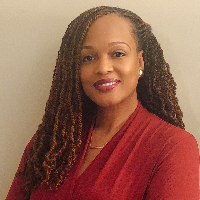
South Carolina · 18 yrs exp
Stress, Anxiety · Addictions · Relationship · Trauma and abuse · +9 more
Read profile
South Carolina · 13 yrs exp
Self esteem · Stress, Anxiety · Relationship · Family · +11 more
Read profile
South Carolina · 16 yrs exp
Stress, Anxiety · Relationship · Family · Self esteem · +10 more
Read profile
South Carolina · 6 yrs exp
Stress, Anxiety · Relationship · Trauma and abuse · Anger · +14 more
Read profile
South Carolina · 9 yrs exp
Stress, Anxiety · Addictions · Relationship · Grief · +11 more
Read profile
South Carolina · 25 yrs exp
Stress, Anxiety · Addictions · Depression · Coping with life changes · +10 more
Read profile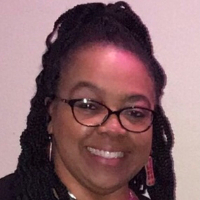
South Carolina · 25 yrs exp
Stress, Anxiety · Addictions · Relationship · Family · +9 more
Read profile
South Carolina · 15 yrs exp
Stress, Anxiety · Self esteem · Career · Depression · +11 more
Read profile
South Carolina · 11 yrs exp
Stress, Anxiety · Relationship · Family · Trauma and abuse · +9 more
Read profile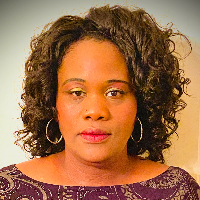
South Carolina · 9 yrs exp
Stress, Anxiety · Trauma and abuse · Grief · Depression · +16 more
Read profile
South Carolina · 30 yrs exp
Stress, Anxiety · Parenting · Self esteem · Depression · +4 more
Read profileOnline therapy has become a common way to access behavioral health care across South Carolina, blending video sessions, phone consultations, and secure messaging to provide ongoing support. Providers offering services to South Carolina residents must be licensed in the state, and many maintain schedules that include evening and weekend appointments to accommodate work and family responsibilities. Technology has reduced the distance between you and qualified clinicians, making it possible to connect with therapists who have specific expertise even if they are located in a different city than you are. While the platforms and tools therapists use can vary, the core of online therapy remains the same - a trained clinician meeting with you through a digital connection to work on goals you identify together.
Availability varies by location and specialty. In more rural counties, online sessions can fill gaps where in-person care is difficult to access. In urban areas, online therapy often complements local in-person options by offering more scheduling flexibility and a wider selection of clinical approaches. If you rely on health insurance, check whether teletherapy sessions are covered under your plan and what documentation your insurer requires. For many people, the most important aspect is finding a licensed therapist who aligns with your needs and whose approach feels right for you.
Online therapy offers several practical benefits that matter in everyday life. You can attend sessions without commuting, which saves time and reduces stress related to travel, parking, or busy schedules. This can be particularly helpful if you live in a rural part of South Carolina or if mobility, caregiving, or work obligations make regular in-person visits difficult. The flexibility of remote appointments also makes it easier to maintain continuity of care during life transitions like moving, changing jobs, or traveling within the state.
Another advantage is the ability to find therapists with specific training or cultural competence that might not be available locally. If you want a clinician who specializes in treating adolescents, works with military families, or has experience with a particular therapeutic modality, online access can expand your options. Many people also find that the convenience of remote sessions encourages greater consistency in attendance, which supports progress over time. When considering online therapy, think about how a predictable schedule and reduced logistical barriers might support your goals.
Online therapists in South Carolina address a wide range of concerns. Many clinicians specialize in common issues such as anxiety and depression, offering approaches that help you develop coping skills, reframe unhelpful thinking patterns, and build routines that support emotional well-being. Others focus on trauma-informed care, helping people process past experiences in a way that reduces their current impact on daily life. Couples counseling and family therapy are also provided online, with therapists guiding conversations, teaching communication techniques, and helping families navigate conflict or transitions.
Beyond mood and relationship work, online therapists often support people facing life changes such as career shifts, grief and loss, parenting challenges, or the stresses of caregiving. Therapists trained in substance-use-related interventions can offer structured support for harm reduction and relapse prevention planning. Young adults and adolescents may find online sessions more comfortable, and clinicians who work with teens adapt activities and communication styles to fit a younger client’s needs. If you have a specific concern, look for a therapist who lists that issue among their specialties and describes their approach in their profile so you know what to expect from the first conversations.
Verifying that a therapist is licensed to practice in South Carolina is an important step before you begin care. A straightforward approach is to ask the therapist for their professional license number and the type of license they hold, such as counseling, social work, marriage and family therapy, or psychology. With that information, you can consult the relevant South Carolina licensing board's online license lookup or contact the board by phone to confirm the current status of the license. The lookup will typically show whether the license is active, expired, or subject to any disciplinary actions. It can also indicate the licensee's original issuance date and any restrictions or sanctions that might affect their practice.
In addition to checking the state license, review the clinician's listed education, training, and any specialty certifications they mention. Some therapists include links to professional profiles or supervisory credentials that further demonstrate training in specific approaches. If you rely on insurance benefits, you can ask the clinician or your insurer whether the therapist is in-network and what billing codes to expect for teletherapy sessions. Finally, trust your sense of due diligence - if a therapist cannot provide clear license information or you see unresolved disciplinary matters, continue your search until you find a clinician with transparent credentials and a track record that gives you confidence.
Getting started with online therapy is a process you can approach step by step. Begin by identifying what you want to address in therapy and what qualities matter most in a therapist, such as experience with certain age groups, a therapy style that emphasizes skills practice or insight, language preferences, or cultural competence. When you review profiles, look for information about modalities they use - for example cognitive behavioral therapy, dialectical behavior therapy, acceptance and commitment therapy, or trauma-focused work - and consider whether those approaches align with your goals. Many therapists offer a brief introductory call or consultation so you can ask questions about their experience, session length, fees, cancellation policies, and how they handle urgent concerns outside of appointments.
Prepare for your initial session by choosing a comfortable environment where you can speak without interruptions and by testing your internet connection and camera in advance. Think about what you want to prioritize in the first few appointments and be ready to share background information that will help the therapist understand your situation. It is also wise to ask practical questions about how they handle emergencies, given that you will not be meeting in person, and to clarify how they document sessions and communicate between appointments. If you are using insurance, confirm coverage and whether the therapist provides the necessary billing documentation.
Choosing the right therapist often comes down to how supported you feel in the first several sessions. Pay attention to whether the therapist listens, explains their approach, and invites collaboration on goals. If something about the working relationship does not feel right, you have the option to discuss it openly or to try a different clinician. A good match can accelerate progress, while a poor fit may slow it. Keep in mind that therapists vary in style - some are more directive and skills-focused, others more exploratory and reflective - and that your needs may change over time. Finally, seek clarity on practical matters such as session scheduling, methods of payment, sliding scale options if cost is a concern, and language or cultural accommodations to ensure the arrangement works for you.
Online therapy in South Carolina can expand your options and make it easier to find a clinician who aligns with your needs and schedule. By verifying credentials, preparing for your first session, and reflecting on what constitutes a good fit, you can take an informed step toward care that supports the changes you want to make in your life.