
Bernice Banks
LCSW· Accepting clientsIllinois · 18 yrs exp
Stress, Anxiety · Relationship · Family · Self esteem · +9 more
Read profileThe therapist listings are provided by BetterHelp and we will earn a commission if you use our link - at no cost to you.
Welcome to TherapistDirectory's Illinois online therapy listings. All therapists shown are licensed to practice in Illinois. Explore profiles to compare specialties, approaches, and availability as you seek support.
Illinois · 18 yrs exp
Stress, Anxiety · Relationship · Family · Self esteem · +9 more
Read profile
Illinois · 17 yrs exp
Stress, Anxiety · Trauma and abuse · Parenting · Self esteem · +7 more
Read profile
Illinois · 20 yrs exp
Stress, Anxiety · LGBT · Anger · Self esteem · +12 more
Read profile
Illinois · 12 yrs exp
Stress, Anxiety · Trauma and abuse · Parenting · Self esteem · +12 more
Read profile
Illinois · 12 yrs exp
Stress, Anxiety · LGBT · Relationship · Depression · +14 more
Read profile
Illinois · 25 yrs exp
Stress, Anxiety · Self esteem · Career · Coping with life changes · +10 more
Read profile
Illinois · 14 yrs exp
Stress, Anxiety · Addictions · Trauma and abuse · Depression · +9 more
Read profile
Illinois · 21 yrs exp
Stress, Anxiety · Anger · Self esteem · Depression · +12 more
Read profile
Illinois · 20 yrs exp
Stress, Anxiety · Grief · Self esteem · Depression · +11 more
Read profile
Illinois · 10 yrs exp
Stress, Anxiety · Grief · Depression · Family · +9 more
Read profile
Illinois · 20 yrs exp
Stress, Anxiety · Addictions · Relationship · Trauma and abuse · +9 more
Read profile
Illinois · 10 yrs exp
Stress, Anxiety · Trauma and abuse · Grief · Self esteem · +11 more
Read profile
Illinois · 25 yrs exp
Stress, Anxiety · Relationship · Self esteem · Depression · +14 more
Read profile
Illinois · 23 yrs exp
Stress, Anxiety · Trauma and abuse · Anger · Depression · +10 more
Read profile
Illinois · 35 yrs exp
Stress, Anxiety · Family · Grief · Parenting · +11 more
Read profile
Illinois · 12 yrs exp
Stress, Anxiety · Family · Parenting · Self esteem · +8 more
Read profile
Illinois · 30 yrs exp
Stress, Anxiety · Relationship · Trauma and abuse · Grief · +12 more
Read profile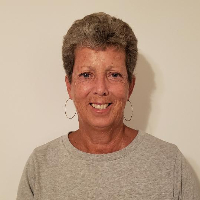
Illinois · 37 yrs exp
Stress, Anxiety · Family · Anger · Self esteem · +11 more
Read profile
Illinois · 13 yrs exp
Stress, Anxiety · Trauma and abuse · Self esteem · Depression · +10 more
Read profile
Illinois · 40 yrs exp
Stress, Anxiety · Grief · Self esteem · Depression · +13 more
Read profile
Illinois · 19 yrs exp
Stress, Anxiety · Grief · Anger · Self esteem · +1 more
Read profile
Illinois · 41 yrs exp
Stress, Anxiety · Addictions · LGBT · Relationship · +14 more
Read profile
Illinois · 15 yrs exp
Stress, Anxiety · Relationship · Trauma and abuse · Depression · +11 more
Read profile
Illinois · 19 yrs exp
Stress, Anxiety · Parenting · Self esteem · Career · +12 more
Read profileOnline therapy has become a widely available option for people across Illinois, with clinicians offering sessions by video, phone, and sometimes secure messaging. Many providers who are licensed in Illinois now include virtual appointments as part of their regular practice, which makes it easier for you to access care whether you live in a Chicago suburb, a smaller city, or a rural area. The landscape of telehealth options continues to evolve, so you will find a range of offerings that differ by clinician - from brief check-in visits to ongoing weekly psychotherapy. When reviewing listings, pay attention to the modalities a therapist lists and whether they indicate any preferences or limits related to teletherapy. That information helps set expectations about what scheduling, technology, and therapeutic style might look like for your first few sessions.
Therapists practicing online in Illinois must follow state regulations and professional standards, which influence who they can treat and how care is delivered. Many clinicians will note jurisdictional details on their profiles, such as where they are licensed and whether they provide telehealth across state lines. Because rules and licensure requirements can vary by profession, it is wise to confirm license status and scope before booking an appointment. Profiles often include the clinician's credentials, license number, and a short description of their practice approach, giving you a practical starting point to find a match.
Online therapy brings several distinct advantages that make it a practical choice for many people. You gain greater scheduling flexibility because travel time is removed from the equation, which can help you fit sessions into a busy work or family life. For those in areas with fewer in-person options, virtual care can connect you with therapists who have specialized training that might not be available locally. You may find that being able to join from your home or another familiar environment helps you feel more at ease and better able to focus on your goals.
Another benefit is continuity. If you move within Illinois or need to see a clinician while traveling for work, online sessions can maintain the therapeutic relationship without interruption. Accessibility also extends to people who have mobility limitations, caregiving responsibilities, or transportation constraints. Many therapists offer varied appointment times, including evenings, which broadens your options for finding a time that works. When you choose a clinician whose schedule and communication style align with your needs, you can make steady progress toward the personal changes you want to achieve.
Online therapists in Illinois work with a wide range of concerns, and you will find clinicians who focus on mood disorders such as anxiety and depression, relationship and family concerns, parenting and child behavior, grief and loss, workplace stress, and life transitions. Many therapists also have expertise in trauma-informed care, chronic illness coping, substance use concerns, and identity-related issues including support for LGBTQ+ clients. Some clinicians provide specialized services like couples therapy, adolescent therapy, or support for parenting challenges. The mode of delivery - virtual - does not limit the types of therapeutic frameworks employed; clinicians often adapt evidence-based approaches such as cognitive behavioral techniques, trauma work, solution-focused strategies, and relational approaches to the online setting.
While online therapy fits many needs, there are situations where in-person care or additional local supports might be appropriate. If you are concerned about immediate safety or crisis-level issues, it is important to discuss emergency planning with a clinician and know local resources available to you in Illinois. Most therapists will outline how they handle urgent situations and what steps to take if you need immediate help. When reviewing profiles, look for indications of experience with the specific challenge you are facing and clarity about how the clinician handles high-risk situations and referrals to local services when needed.
Verifying a therapist's license is an important step in choosing a provider. You can start by noting the license type listed on the therapist's profile - common designations include licensed clinical social worker, licensed professional counselor, psychologist, and marriage and family therapist. Each designation has different training and regulatory boards. To confirm active status, you can use public resources such as the Illinois state licensing board database to search by name or license number. The board records typically show the license status, issue and expiration dates, and any public disciplinary actions. This helps you confirm that the clinician is authorized to practice in Illinois and provides transparency about their professional standing.
If you prefer to verify directly, ask the therapist for their license number, the state in which they are licensed, and whether they are authorized to provide telehealth services in Illinois. You can also request information about their education, years of experience, and areas of specialty. A reputable clinician will be willing to share these details and explain their professional background. Confirming licensure and experience helps you feel confident that you are connecting with a qualified professional who meets state standards.
Beginning therapy can feel like an important step toward change, and starting online is straightforward once you know what to look for. Begin by clarifying what you hope to address - are you seeking support for a specific symptom, coping skills for a life transition, help with a relationship, or long-term personal growth? Use those goals to guide your search terms when browsing profiles. Pay attention to a clinician's stated specialties and therapeutic approaches, and read their biographies to get a sense of their style and priorities. Many therapists offer an initial consultation or intake session that gives you a chance to ask about their approach, availability, fees, and session format.
Consider practical details such as cost, insurance acceptance, sliding scale availability, session length, and how the therapist handles cancellations and rescheduling. Think about the technology you will use for sessions and whether you have a quiet, uninterrupted area at home or another location where you can speak freely and focus. During your first session, you can expect to discuss your concerns, goals, and relevant background information. This meeting is also your opportunity to assess whether the clinician's communication style and therapeutic approach feel like a good fit. It is normal to try a few sessions before deciding if the match is right; if you do not feel comfortable, it is reasonable to seek someone whose style better suits your needs.
Choosing a therapist is both practical and personal. Trust your instincts about rapport and clarity of communication, and prioritize someone who listens, explains their methods clearly, and respects your goals. With thoughtful searching and some initial conversations, you can find an online therapist in Illinois who helps you move toward greater well-being and resilience.