
Dr. David Mathews
LICSW· Accepting clientsMinnesota · 35 yrs exp
Relationship · Family · Trauma and abuse · Parenting · +8 more
Read profileThe therapist listings are provided by BetterHelp and we will earn a commission if you use our link - at no cost to you.
Welcome to our Minnesota directory of licensed online therapists. Each clinician listed holds an active Minnesota license so you can feel confident exploring options. Browse profiles to compare specialties, approaches, and availability, and connect with a therapist who fits your needs.
Minnesota · 35 yrs exp
Relationship · Family · Trauma and abuse · Parenting · +8 more
Read profile
Minnesota · 13 yrs exp
Stress, Anxiety · Addictions · Trauma and abuse · Self esteem · +9 more
Read profile
Minnesota · 7 yrs exp
Stress, Anxiety · LGBT · Trauma and abuse · Self esteem · +9 more
Read profile
Minnesota · 7 yrs exp
Stress, Anxiety · Addictions · Grief · Depression · +10 more
Read profile
Minnesota · 5 yrs exp
Stress, Anxiety · Family · Trauma and abuse · Grief · +10 more
Read profile
Minnesota · 25 yrs exp
Stress, Anxiety · Addictions · Trauma and abuse · Grief · +12 more
Read profile
Minnesota · 20 yrs exp
Stress, Anxiety · Relationship · Family · Grief · +10 more
Read profile
Minnesota · 30 yrs exp
Stress, Anxiety · Relationship · Family · Trauma and abuse · +16 more
Read profile
Minnesota · 10 yrs exp
Stress, Anxiety · Anger · Self esteem · Coping with life changes · +8 more
Read profile
Minnesota · 40 yrs exp
Stress, Anxiety · Addictions · Trauma and abuse · Grief · +10 more
Read profile
Minnesota · 9 yrs exp
Stress, Anxiety · Trauma and abuse · Depression · Addictions · +7 more
Read profile
Minnesota · 25 yrs exp
Addictions · Relationship · Grief · Depression · +8 more
Read profile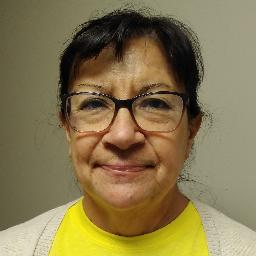
Minnesota · 29 yrs exp
Addictions · Relationship · Self esteem · Depression · +11 more
Read profile
Minnesota · 19 yrs exp
Stress, Anxiety · Relationship · Family · Trauma and abuse · +7 more
Read profile
Minnesota · 15 yrs exp
Stress, Anxiety · Family · Self esteem · Depression · +8 more
Read profile
Minnesota · 11 yrs exp
Stress, Anxiety · Trauma and abuse · Anger · Self esteem · +14 more
Read profile
Minnesota · 28 yrs exp
Stress, Anxiety · Self esteem · Career · Coping with life changes · +8 more
Read profile
Minnesota · 10 yrs exp
Stress, Anxiety · Relationship · Family · Parenting · +11 more
Read profile
Minnesota · 25 yrs exp
Stress, Anxiety · Relationship · Grief · Self esteem · +9 more
Read profile
Minnesota · 13 yrs exp
Stress, Anxiety · LGBT · Relationship · Intimacy-related issues · +11 more
Read profile
Minnesota · 8 yrs exp
Stress, Anxiety · Relationship · Grief · Self esteem · +8 more
Read profile
Minnesota · 7 yrs exp
Stress, Anxiety · Relationship · Family · Depression · +8 more
Read profile
Minnesota · 7 yrs exp
Relationship · Family · Self esteem · Bipolar · +12 more
Read profile
Minnesota · 7 yrs exp
Stress, Anxiety · Parenting · Self esteem · Depression · +8 more
Read profileOnline therapy has become a widely available option across Minnesota, reaching people in both urban centers and rural communities. If you live in Minnesota or spend part of your time here, many licensed mental health professionals offer counseling and psychotherapy via video, phone, or messaging. These services are designed to follow state requirements for practice while giving you more flexibility about where and when you meet with a provider. Because regulations and platforms evolve, therapists often post their telehealth policies on their profiles, including whether they routinely work with Minnesota residents. You should expect to find clinicians who specialize in a range of approaches and who describe the technical and logistical details needed to begin remote sessions.
Teletherapy in Minnesota is used by people across life stages, from adolescents and college students to adults and older adults. Providers commonly note how they adapt therapeutic methods for virtual sessions, maintain professional boundaries, and manage emergencies or urgent concerns. While online services broaden access, not every clinician offers the same hours or modes of contact, so checking each therapist's listed availability will help you identify options that match your schedule. If you need in-person services at any point, many therapists offer hybrid arrangements or can refer you to a local colleague.
Online therapy offers practical advantages that suit many Minnesotans. You can meet with a therapist without traveling through heavy traffic or winter weather, which is especially helpful if mobility, childcare, or work schedules make in-person visits difficult. Teletherapy also makes it easier to keep appointments during transitions like moves, seasonal work changes, or long commutes. For people living in smaller towns or on tribal lands where specialist services are sparse, virtual care can connect you with clinicians who have specific training or cultural competencies that might not be available nearby.
Remote sessions can also support continuity of care when you are away from home for college, work, or family obligations. Many people find that being in a familiar environment - a comfortable room at home or another private place - helps them feel at ease and ready to engage in therapy. In addition, online options generally make scheduling more flexible, including evening or weekend appointments that fit around your other commitments. While teletherapy suits many concerns, you may prefer an in-person visit in some situations; discussing options with a therapist can help you decide what will work best for your circumstances.
Online therapists in Minnesota work with a broad range of concerns. You can seek help for mood challenges such as anxiety or depression, stress related to work or family responsibilities, grief and loss, and difficulties with sleep. Therapists also support people navigating major life transitions, relationship concerns, parenting challenges, and issues related to identity or cultural stress. Many clinicians specialize in trauma-informed approaches, working with survivors of abuse, accidents, or medical trauma, and adapt evidence-based methods for virtual settings.
Couples counseling and family therapy are frequently offered online, with therapists using structured approaches to help partners communicate and solve problems. For substance use or behavioral concerns, therapists often focus on coping strategies, relapse prevention planning, and coordination with medical or community supports when needed. You can also find clinicians who provide targeted interventions such as cognitive behavioral therapy, acceptance and commitment therapy, mindfulness-based strategies, or interventions tailored for children and teens. When you explore therapist profiles, look for descriptions of the populations they serve and the outcomes they aim to support so you can find someone whose expertise matches your goals.
Verifying a clinician's license is an important step before beginning therapy. Minnesota maintains public license lookup tools for different types of mental health professionals, which allow you to confirm that a therapist holds an active license to practice in the state. These online search tools typically let you enter a name or license number to view current status, the license type, expiration date, and whether any disciplinary actions are recorded. Performing this check ensures the professional you choose is authorized to provide care to Minnesota residents and helps you make an informed decision.
If you prefer a personal approach, you can ask a therapist to provide their license number, the name of the licensing board, and the state that issued the license. A reputable clinician will welcome questions about credentials and will be prepared to share verification information or direct you to the official lookup. If you plan to use insurance or a flexible spending account, confirming licensure is also part of ensuring coverage and accurate billing.
In addition to status, the licensing lookup may include public disciplinary records. Reviewing these records can give you context about a clinician's professional history. You can also use profiles and professional webpages to supplement the official information by looking for additional credentials, certifications, or training in areas such as trauma, child and adolescent work, or cultural competency. Asking about an individual's experience with a particular population or issue helps you evaluate whether they are a good match for your needs.
Getting started is easier when you have an idea of what you want from therapy. Reflect on whether your goals are short-term problem solving, long-term personal growth, or support through a specific life event. When you review therapist profiles, use those goals to narrow choices. Contact therapists to ask practical questions about their approach, typical session length, fees, insurance acceptance, and whether they offer sliding scale options. You should also ask about their experience doing teletherapy, what platform they use, and how they handle appointment cancellations or rescheduling.
Before your first session, plan a quiet, comfortable environment where you can speak without interruptions. This might be a private room at home, a personal workspace, or another place where you feel at ease. Check your internet connection, camera, and microphone ahead of time, and ask the therapist about any recommended technical settings. Many clinicians offer a brief orientation or intake call to explain logistics and to answer your initial questions, which can help reduce nerves and ensure the session starts smoothly.
Therapeutic fit matters. During the first few sessions, pay attention to how the therapist explains their approach, whether they listen and reflect your concerns, and whether you feel understood and respected. It is normal to try a few therapists before finding the right match. If something does not feel like a good fit, it is reasonable to discuss your concerns with the clinician or to look for someone whose style and specialties align more closely with your needs. You may also consider clinicians who offer consultation sessions or brief trial appointments to help you decide.
Think about practical considerations like availability that matches your schedule, cost, and whether you need sessions in a language other than English. Cultural competence is also important - you may want a therapist who has experience with your cultural background, faith perspective, or identity. Ask about prior work with clients who share similar experiences and whether the therapist engages in ongoing professional development. Finding a therapist who acknowledges and understands your context can make therapy more effective and comfortable.
Online therapy requires clear planning for emergencies or urgent concerns. Before you begin, ask the therapist how they handle crises and what local resources they recommend if you need immediate help. Confirm the location where you will be during sessions so the clinician knows which emergency services to contact if necessary. Knowing these procedures in advance helps you feel more confident about starting virtual care and ensures you and your therapist have shared expectations for responding to urgent situations.
Choosing an online therapist in Minnesota can open access to a broad range of skilled professionals who can meet you where you are. By verifying credentials, clarifying goals and logistics, and paying attention to fit and practical considerations, you can find a therapist who supports your well-being through thoughtful, professional care. Take your time exploring profiles, reach out with questions, and trust your judgment as you make a match that feels right for you.